
Is your child’s nearsightedness getting worse each year? SeaShore House Optical offers clinically backed myopia control treatments that help protect long-term eye health. Because stronger glasses every year isn’t a plan—it’s a warning sign.

Myopia Control for Children in Rayville
Book An Appointment
Questions About Your Booking?
Common Myopia FAQs
Ideally, as early as signs appear, often between the ages of 6 and 12. The earlier we begin, the more we can slow eye growth and reduce future risk.
Most families notice prescription stability within the first year. We monitor progress at regular intervals and adjust the plan as your child grows.
These are considered specialty services, so they’re not typically covered by vision or medical insurance. However, most families use FSA or HSA funds to help with costs.
Signs to watch for in your child
It’s not always obvious that a child is struggling with their vision, especially if they’ve never known anything different. Here are common signs your child may benefit from a myopia evaluation:
What Is Myopia?
Myopia, also known as nearsightedness, is a condition where the eye is too long, causing distant objects to appear blurry. It typically begins in childhood and tends to worsen each year, especially between the ages of 6 and 17.
But here’s the part most people don’t know: as myopia progresses, so does the risk of serious eye diseases later in life. High myopia is associated with a higher risk of retinal detachment, glaucoma, macular degeneration, and other long-term vision issues.
Meet Our Myopia Eye Doctors
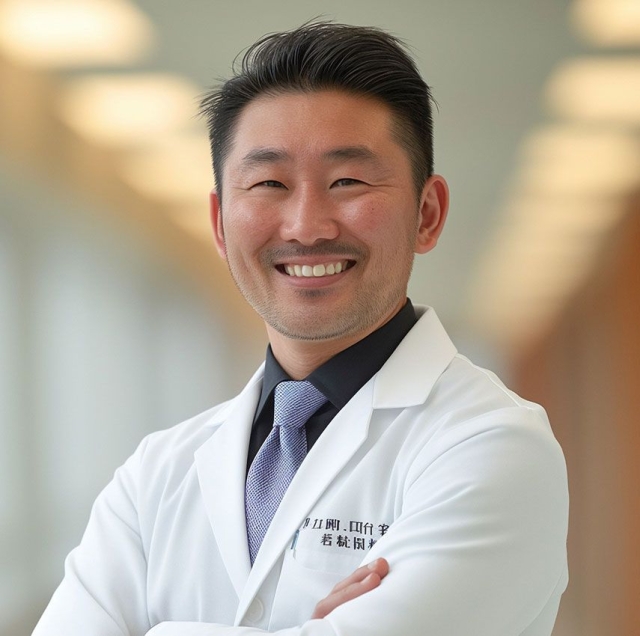
Our pediatric eye doctors are known for their warm approach with families. They explain everything clearly and build personalized plans that kids can stick with.
Our Myopia Treatments
Our optometrists build a custom care plan using one or more of the following:
Orthokeratology (Ortho-K): Custom-designed lenses worn overnight to gently reshape the cornea and provide clear vision during the day. Proven to slow myopia progression while giving kids freedom.
MiSight® 1-Day Contact Lenses: FDA-approved daily soft lenses for children ages 8 to 12 that correct vision and slow the progression of myopia.
Atropine Eye Drops: Low-dose atropine drops are used nightly to help slow eye growth. A great option for younger kids or those not ready for contacts.
What to Expect at Your Myopia Visit
Here’s what you can expect during your visit to SeaShore House Optical:
Before Your Visit
-
Complete your child’s forms online.
-
Bring their current glasses or contact lenses, if applicable.
-
Prepare a brief health history, including any family history of nearsightedness.
-
Note any recent symptoms (squinting, blurry distance vision, headaches, etc.).
During Your Child’s Evaluation
-
You’ll meet with one of our pediatric eye doctors.
-
They will conduct a thorough vision and eye health evaluation. This includes measuring eye length and shape, as well as assessing visual behavior.
-
Our eye doctor will explain what they see and answer your questions.
After the Evaluation
-
You’ll receive a personalized treatment plan tailored to your child’s needs.
-
Our team will guide you through pricing, payment options, and the use of FSA/HSA benefits.
We've got you covered
Vision & Medical Insurance
Our optometry practice accepts a wide range of vision and medical plans. If you're not sure what's covered, our friendly team is happy to help.
Vision Insurance Plans We Accept
Use your vision insurance in-store for eye exams, glasses, contacts, and more.
Medical Insurance Plans We Accept
We accept insurance for eye diseases, injuries and emergencies.
Happy Eyes, Happy Patients
Our Patients Say It Best


Directions To [account get='name']
Location & Hours
Cockrell Eyecare Center is located at 1711 W 6th Avenue in Stillwater, in a convenient spot near several familiar landmarks. The clinic is directly across from Westwood Elementary School, making it easy to find for families in the area.
How to Reach Us
What to Expect at Our Location
Onsite Parking
Wheelchair Accessible
Bike Parking
Free Wifi
Near Public Transit
Covid Screening
Free Parking
Open Weekends
On Site Lab
Same-Day Appointments
Walk-Ins accepted
Same-Day Glasses
How to Find Us:
- Located at 1711 W 6th Avenue in Stillwater
- Across from Westwood Elementary School
- Next to Stillwater Physicians Medical Clinic
- Close to Ingham Park Playground
- Down the road from Starbucks
- Up the road from Sprouts Farmers Market
Parking:
- Onsite parking available directly in front of the building
- Additional parking along the side during busy times
- Easy drop-off zone at the front entrance for patients and families
Accessibility:
- Wheelchair-accessible entrance and lobby
- Exam rooms designed to accommodate mobility devices
- Staff available to assist you upon arrival if needed
- test